Pillar One
Language
The words you absorbed were never neutral. They built the ceiling of what you can think, before you ever chose a single one.

Through the Language Glass
A linguist's tour through how different languages carve up color, space, and time differently, and what that does to the people who speak them.
What you gain: the Whorf idea, tested against real evidence, without the overreach.
The Reframe
The cage isn't a metaphor. It's grammar. This book shows you the bars without asking you to believe anything mystical.
Find it on Amazon →

Metaphors We Live By
The book that proved metaphor isn't decoration. It's the structure underneath how you reason about time, argument, love, and yourself.
What you gain: you'll never hear "argument is war" or "time is money" the same way again.
The Reframe
Whoever controls the frame controls the argument before it starts. This is where that idea comes from.
Find it on Amazon →

Chatter
The voice in your head is not neutral narration. It's a tool, and most people never learn how to use it.
What you gain: practical ways to change the conversation you're having with yourself, backed by research.
The Reframe
The inner voice can coach you or sabotage you, depending on how it's phrased. This book is the manual nobody handed you.
Find it on Amazon →

The Stuff of Thought
A deep dive into what the structure of language reveals about how the mind actually works: space, time, causation, and the words we use for them.
What you gain: a wider lens than Whorf. Language as a window into cognition itself, not just a constraint on it.
The Reframe
Language doesn't just shape thought. It's a fossil record of how thought already works. Reading this is like finding the receipts.
Find it on Amazon →

Thinking, Fast and Slow
The foundational text on the two systems running your mind. One fast and automatic, one slow and effortful, and how language triggers each one.
What you gain: the underlying architecture that almost every modern psychology idea you've heard is built on top of.
The Reframe
Most of what feels like "deciding" is actually System 1 finishing before System 2 wakes up. This book is the map of that gap.
Find it on Amazon →
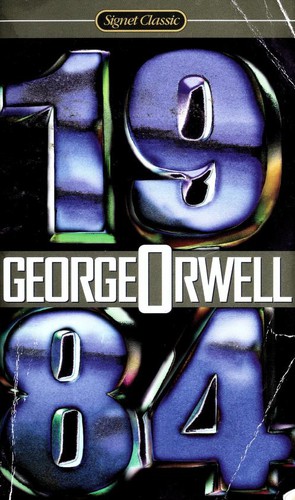
1984
Newspeak wasn't censorship. It was the systematic reduction of vocabulary, because fewer words means fewer thoughts.
What you gain: fiction that doubles as the clearest case study in how language limits get built on purpose.
The Reframe
If there's no word for something, how easily can you think about it? Orwell answered that question seventy years before anyone asked it about you.
Find it on Amazon →